Expert Fence Installation: Improve Your Curb Appeal
Top-rated fence installation offers more than just boundary definition. It enhances a property's visual appeal, providing both visual charm and functional advantages. Various styles, from rustic wood to contemporary vinyl, accommodate diverse tastes. As residents explore their alternatives, understanding the factors influencing installation and material selection becomes essential. Proper selections can completely revamp a property's appearance. However, choosing between professional contractors or a DIY approach presents significant considerations.
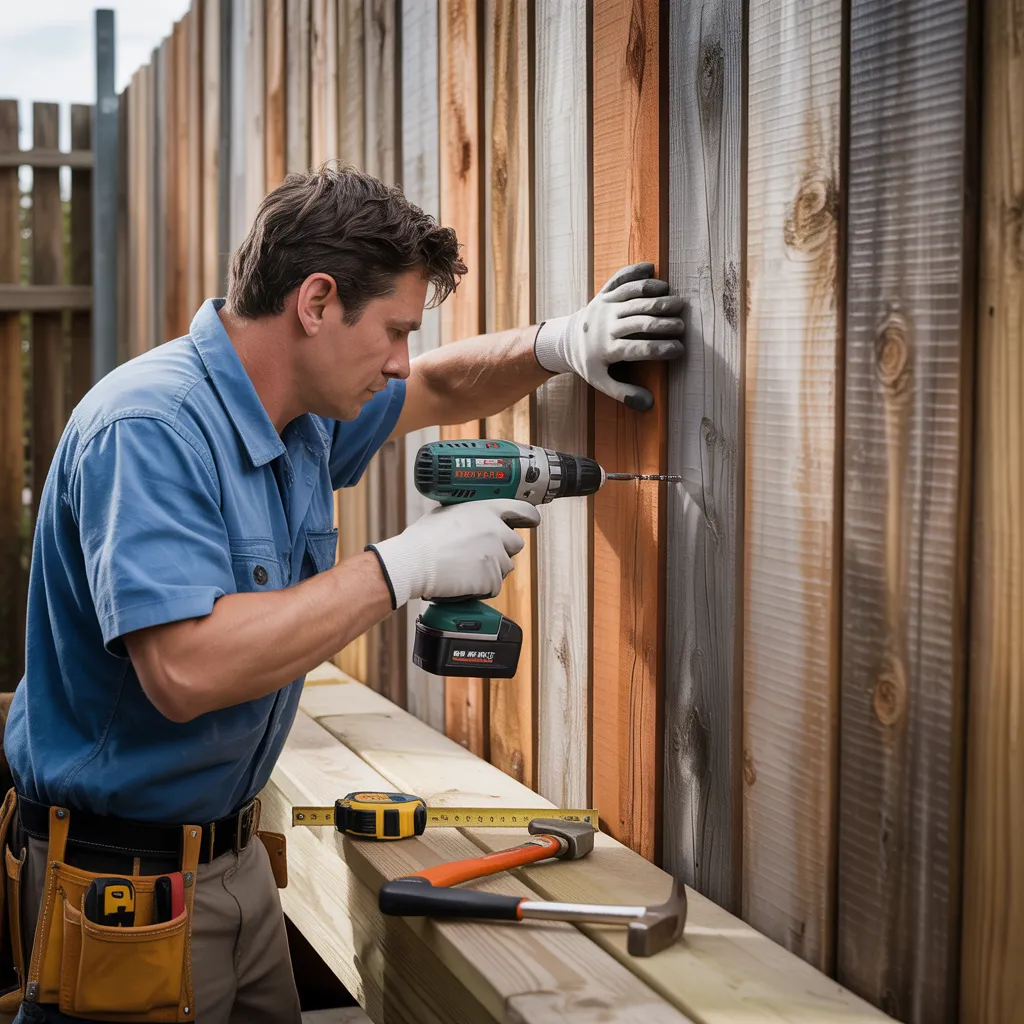
Discovering the Benefits of a High-Quality Fence
A premium fence delivers several key advantages that can substantially boost the value and security of a property. By establishing a defined border, it helps to define the property's perimeter, keeping out potential intruders and wandering wildlife. This added layer of protection promotes peace of mind for homeowners and their possessions. Furthermore, high-quality materials and craftsmanship guarantee durability, reducing maintenance costs over time.
Also, a well-constructed fence can act as an appealing feature, harmonizing with the home's architectural style. It can guard exterior areas from noise and wind, creating a more enjoyable environment for interests such as outdoor gatherings or gardening. Moreover, it can offer seclusion, giving homeowners to unwind without concern for prying eyes. All things considered, opting for a high-quality fence not only strengthens protection but also elevates the complete desirability and utility of a home, establishing it as a smart investment for residents wanting enduring advantages.
Popular Fencing Options That Elevate Your Home's Curb Appeal
When thinking about installing a fence, the style chosen can significantly improve a property's curb appeal. Traditional wood fencing delivers an enduring elegance that pairs well with classic home designs, while contemporary vinyl alternatives deliver a refined, minimal-upkeep option. Both styles cater to different aesthetic preferences and can elevate the overall look of any residential space.
Classic Wooden Fencing Designs
Classic wood fencing styles offer timeless elegance that enhances curb appeal for every home. These styles, such as picket, split rail, and privacy fences, offer a natural look that suits a wide range of architectural styles. With their charming vertical slats, picket fences establish an inviting ambiance, ideal for front yards. Frequently found in rural settings, split rail fences provide a charming rustic look without sacrificing utility. Privacy fences, typically taller and solid, offer both protection and a peaceful outdoor retreat. The flexibility of wood enables tailoring in height, color, and finish, empowering homeowners to showcase their unique aesthetic. Overall, classic wood fencing styles remain a popular choice for those aiming to improve their home's outdoor appearance.
Contemporary Vinyl Selections
Modern vinyl fencing options present a wide range of elegant designs that can significantly improve a property's curb appeal. Available in multiple colors and textures, vinyl fences can replicate classic materials such as wood or stone while providing exceptional durability and minimal upkeep. Widely chosen styles include picket, privacy, and ranch rail, each designed to suit varying design preferences.
Vinyl fencing offers resistance to rot, fading, and pests, making it a durable long-term investment. Moreover, its adaptability in design permits homeowners to tailor heights and panel layouts to match their landscape. Consequently, contemporary vinyl fences not only offer security and privacy but also enhance the overall aesthetic of a home, making them a preferred option among selective property owners.
Choose the Right Material for Your Fence
Selecting the best material for a fence is important for both functionality and aesthetics. Options such as wood and vinyl offer notable qualities, while chain link offers a budget-friendly option. Moreover, the longevity of metal fencing may be a critical factor in planning for the future.
Wood or Vinyl Fencing
When property owners evaluate fencing choices, the debate between wood and vinyl tends to emerge due to the unique benefits and limitations of each material. Wood fencing offers a traditional look and natural appeal, attracting those who value conventional aesthetics. It can be customized easily and is typically less expensive initially. However, wood demands consistent upkeep to avoid deterioration and pest-related harm.
Conversely, vinyl fencing is celebrated for its resilience and ease of care, withstanding discoloration, warping, and cracking. It often comes with a greater upfront investment but has the potential to cut costs over time due to its lasting durability. Property owners ought to consider their individual needs, such as aesthetic preferences, budget, and maintenance willingness, to select the best option for their fencing needs.
Chain Link Options Available
Chain link valuable resource fencing provides an effective option for property owners looking for safety and transparency without sacrificing budget. This fencing option comes in a range of heights and gauges, permitting owners to pick styles that match their needs. For homeowners focused on appearance, vinyl-coated chain link delivers a vibrant choice, blending seamlessly with landscaping. Moreover, homeowners can choose galvanized chain link for superior rust protection, promoting long-lasting performance. The installation process is generally straightforward, making it a favorite among DIY homeowners. With features such as privacy slats or decorative tops, chain link can also be customized to combine utility and aesthetics. In summary, chain link fencing provides a versatile and economical choice for defining property lines.
Durability Factors for Metal
Selecting the right fencing material requires evaluating the longevity of various options. Metal fencing, notably those fabricated with aluminum and steel alloys, are known for their strength and longevity. Aluminum is lightweight and resistant to rust, rendering it perfect for coastal environments. Steel, despite being heavier and more durable, requires galvanization or coating to prevent corrosion. In contrast, wrought iron, though aesthetically appealing, demands regular maintenance to combat rust. Furthermore, the gauge of the metal plays a significant role; heavier gauges offer superior strength and longevity. In the end, considerations including climate, purpose, and upkeep requirements must direct the choosing process, ensuring that the chosen metal fence withstands environmental challenges as it retains its structural integrity across time.
Identify Key Factors for Installation Success
Successful fence installation copyrights on several key factors which can substantially affect the end result. First, picking the correct materials is crucial; different materials offer varying durability levels, maintenance demands, and aesthetic qualities. Second, thorough planning is necessary, including evaluating the property lines and obtaining necessary permits to avoid legal issues.
Additionally, accurate measurements and a well-thought-out layout confirm that the fence properly fits the landscape and fulfills the owner's expectations. The soil composition and terrain are also critical factors in the success of the installation; these factors can influence the foundation type necessary for stability.
Additionally, climatic conditions need to be considered, as extreme temperatures or rain can hinder installation efforts. To conclude, attention to detail during installation—such as straightening panels and anchoring posts—ensures a durable and aesthetically pleasing fence. By considering these elements, homeowners can greatly enhance the longevity and effectiveness of their fence installation.
Should You Hire Pros or Go DIY for Your Fence?
When deciding between hiring professionals and attempting a DIY fence installation, homeowners often consider their abilities, finances, and available time. Choosing professional installation usually delivers high-quality outcomes, as seasoned professionals offer technical expertise and appropriate tools. This option may be ideal for those lacking the time or expertise to complete the project effectively. On the other hand, a DIY approach can be cost-effective, giving homeowners the opportunity to cut labor costs and take on a satisfying challenge. However, this route demands a solid understanding of fencing materials, local regulations, and proper installation techniques. Homeowners should also consider the time commitment, as DIY projects can extend beyond initial expectations. Ultimately, the determination rests on unique circumstances, encompassing personal inclinations, project scope, and the resources at hand. A thorough assessment of these aspects will assist homeowners in selecting the most suitable option for their fencing projects.
Maintenance Tips for Long-Lasting Fences
Maintaining a fence's structural integrity and visual appeal requires routine upkeep. Periodic inspections are essential; property owners should check for signs of rot, wear, or structural damage. For timber fences, applying a protective coating or sealant every few years can guard against water damage. Iron fences should be inspected for rust, and any compromised areas should be treated and repainted without delay to preserve their condition.
Moreover, maintaining the space around the fence free of debris and excess vegetation can prevent moisture buildup and pests. It is equally important to secure any loose screws or bolts in order to ensure the structure remains stable.
Washing the fence regularly, using a mild soap solution and a soft brush, keeps it looking its best. Routine seasonal upkeep is essential; therefore, homeowners ought to create a regular plan to guarantee the extended lifespan of their fence structures. Adhering to these recommendations can considerably boost the durability and aesthetic appeal of any fence.
Understanding What to Expect in Fence Installation Costs
Understanding fencing installation expenses is vital for homeowners looking to improve their property. The full expenditure can differ significantly based on a number of considerations, including the choice of fencing material, the intricacy of the setup, and the size of the area to be fenced. Popular fencing materials such as chain link, wood, and vinyl each offer distinct cost levels.
Furthermore, labor expenses may vary based on area market rates and the contractor's level of expertise. Homeowners must also account for potential permits and additional features, such as ornamental features or gates, which can significantly affect the overall budget.
On average, prices vary from $1,500 to $4,000 for regular installation projects. It is advisable for homeowners to obtain multiple quotes and evaluate the extent of the work required to establish a clear understanding of their financial investment before proceeding.
Blending Fencing Into Your Landscape Design
Incorporating fencing into landscape planning not only enhances the aesthetic appeal of a property but also provides functional benefits such as privacy and security. A carefully selected fence can harmonize with existing plants, pathways, and outdoor structures, establishing a unified appearance. As an example, wooden fences can merge effortlessly with natural environments, while metal alternatives provide a sleek, modern element that complements contemporary landscaping.
The style and color of the fence should harmonize with the overall theme of the surrounding environment. Upright garden features or climbing plants can be incorporated to smooth sharp edges and bring in lush foliage. Additionally, thoughtfully arranged fencing can define areas, such as separating garden areas from recreational zones.
Ultimately, careful inclusion of fencing solutions elevates not just the visual appeal but also the utility of outside living spaces, creating an inviting atmosphere that highlights the homeowner's style and preferences.
Frequently Asked Questions
What Permits Are Required for Fence Installation?
As a general rule, property owners are required to obtain a building permit before setting up a fencing structure. Regional zoning regulations could also mandate specific permits, especially for height limitations or boundary lines. Contacting municipal authorities helps ensure alignment with all necessary regulations.
What Is the Typical Duration of Fence Installation?
Installing a fence generally requires one to three days, based on factors including the type of material, the size of the property, and weather conditions. Complex designs may require additional time for completion.
Is It Possible to Install Fences During Winter?
Yes, fences can be installed in winter. That said, the process can be more difficult because of frozen ground and harsh weather conditions. Experienced installers frequently modify their methods to ensure stability and durability throughout the colder months.
What Is the Standard Lifespan of Various Fencing Materials?
Fence materials differ significantly in their expected lifespan: wood typically endures for 10-15 years, vinyl is known to last 20-30 years, chain link commonly endures for 15-20 years, and aluminum may last 30 years or more with proper maintenance.
How Do I Pick a Fence Color That Goes Well With My Home?
To select a fence color that enhances a home, one should consider the exterior hues, building design, and nearby scenery. Muted shades often integrate seamlessly, while striking shades can provide contrast and visual interest.