Seasonal Fence Maintenance Tips: Keep Your Fence Looking Great Year-Round
Seasonal care for your fence is critical for maintaining both the durability and aesthetics of outdoor structures. Routine checks and maintenance can help avoid damage caused by weather and pest intrusions. Every season brings distinct challenges and responsibilities that demand care. Understanding these seasonal responsibilities can greatly enhance your fence's strength and visual charm. Yet, a large number of homeowners tend to ignore these vital maintenance steps. With that in mind, what precise measures should homeowners follow to ensure their fence stays strong all year long?
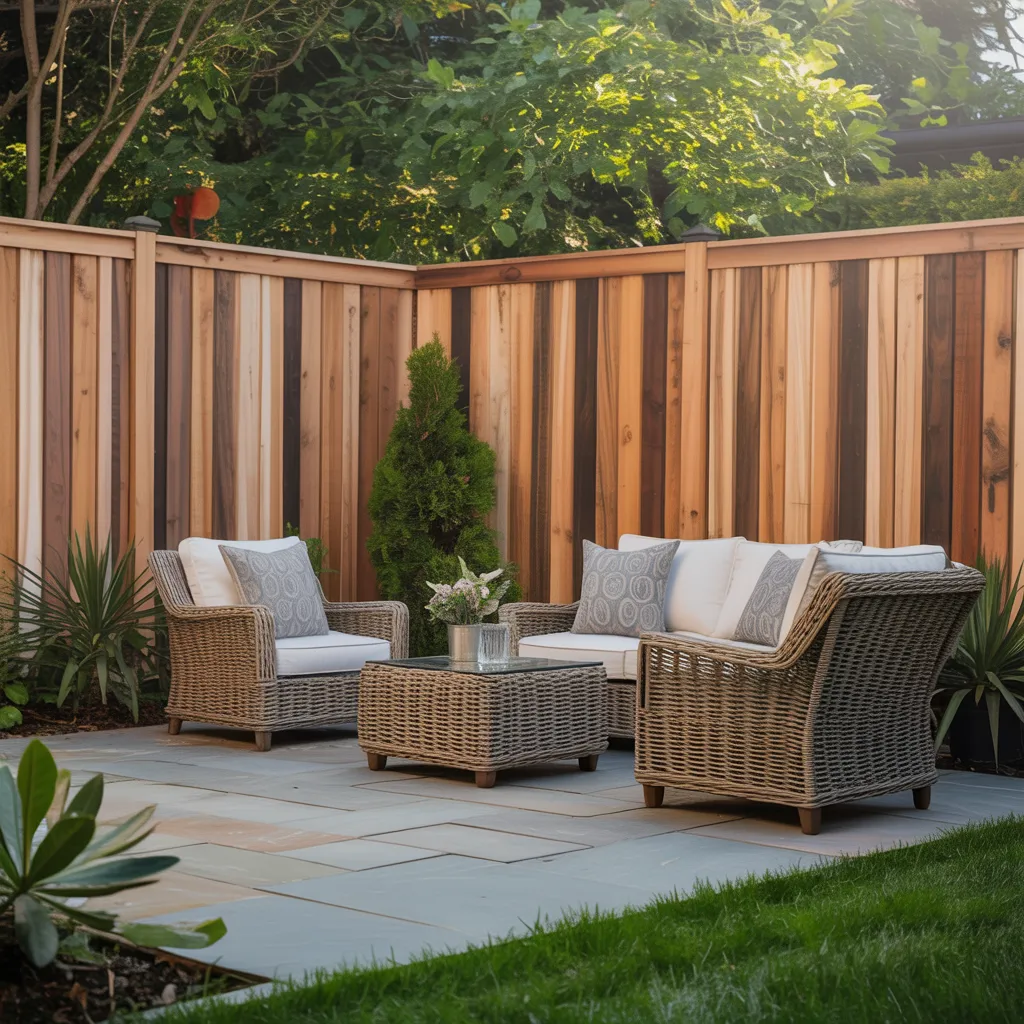
Why Seasonal Fence Maintenance Is Essential for Longevity and Aesthetics
Routine seasonal fence care reflects a dedication to maintaining both the structural integrity and appearance of outdoor fencing installations. Regular upkeep is essential in protecting against harm caused by weather elements, pests, and natural wear. In the case of wood fences, methods including sealing and staining can protect against water damage and decay, significantly prolonging their service life. Metal fences benefit from routine checks for oxidation or corrosion, which, when neglected, may result in serious structural compromise.
In addition, a carefully maintained fence enhances the general appearance of a yard, providing a polished look that complements landscaping. Regular seasonal inspections facilitate timely repairs, preventing small imperfections never develop into costly replacements. By prioritizing seasonal maintenance, homeowners not only preserve their home investment but also enhance the total beauty and value of their property. Ongoing attention ultimately demonstrates a homeowner's commitment to their outdoor space, creating a inviting environment for family members and guests.
Spring Cleanup: A Complete Fence Maintenance Checklist
As the winter season fades into spring, homeowners ought to focus on a comprehensive fence maintenance checklist to ensure their outdoor structures stay in top condition. Initially, a careful inspection of the fence is necessary. Property owners need to look for loose boards, rust, and any signs of damage or decay. Furthermore, debris removal is vital; removing leaves, dirt, and accumulated debris prevents moisture buildup that could compromise the fence's overall structural integrity.
Cleaning is the following phase. A gentle power wash or wash with a soapy solution can eliminate dirt and mildew. After washing, homeowners should evaluate whether a fresh coat of stain or paint is required to defend against upcoming environmental conditions. Additionally, checking the fence posts and verifying their stability will enhance durability. Finally, tackling any vegetation problems, such as encroaching vegetation, helps confirm the fence get the full story remains accessible and well-maintained throughout the year.
Summer Tips: Keeping Your Fence Safe From the Sun
Throughout the summer season, regular maintenance is crucial for preserving a fence's integrity against harsh sun exposure. Prolonged sunlight can cause materials like wood to warp, crack, or fade, diminishing both visual appeal and longevity. To preserve a wooden fence, routine staining or sealing is recommended. This not only enhances aesthetics but also creates a shield against harmful UV rays.
With vinyl and metal fences, using a mild detergent and water for cleaning can prevent discoloration and rust. Furthermore, examining for signs of damage, including loose boards or rust spots, allows for timely repairs before issues worsen. It is equally important to prune back nearby plants to minimize shading and moisture retention, both of which can affect the fence's condition. By following these summer maintenance strategies, property owners can ensure their fences stay durable and attractive throughout the season.
Readying Your Fence for Winter: Must-Do Fall Tasks
A proactive approach to fence maintenance in the fall can considerably increase its longevity and usefulness through the winter months. Homeowners should begin by thoroughly inspecting the fence for damage, such as cracks, loose boards, or rust. Any necessary repairs should be made promptly to avoid additional damage. Washing the fence is equally important; eliminating dirt, mold, and debris preserves its look and deters pest infestations.
Additionally, utilizing a protective sealant or stain offers defense against moisture and cold temperatures. When it comes to wooden fences, cutting back any overhanging branches ensures that snow and ice will not build up on the structure, minimizing the risk of damage. Finally, securing or reinforcing any loose posts will help the fence withstand harsh winter conditions. By implementing these critical preparations in the fall, homeowners can be confident their fences will remain durable and visually pleasing throughout the winter season.
Preparing Your Fence for Winter: Essential Steps for Protection
Preparing a fence for winter demands close attention to its state and protective steps. Property owners ought to begin by checking for any deterioration that may have taken place throughout the year, so that any needed fixes are completed in a timely manner. Once this inspection is done, using protective sealants can help shield the fence from the damaging effects of harsh winter weather.
Check For Damage
Checking for damage is crucial as the winter months draw near, guaranteeing that fences continue to be durable and effective. Homeowners should conduct a thorough examination of their fences , searching for indicators of deterioration like cracks, decay, or pest damage. Pay particular attention to the base of wooden posts, where the buildup of moisture can cause degradation. Metal fences may exhibit rust or corrosion, as vinyl alternatives are susceptible to becoming fragile in harsh winter conditions. Unstable boards or panels must be located and fixed to avoid additional deterioration in severe conditions. Regular inspections not only enhance the fence's lifespan but also maintain the property's overall aesthetic. Tackling concerns without delay can minimize the time and money spent on more significant repairs in the future.
Implement Protective Coatings
Once identifying potential damage during inspections, the application of protective coatings serves as a vital step in getting the fence ready for winter. The process requires choosing the right product according to the fence material, including wood, vinyl, or metal. With wooden fences, a premium sealant or stain works to block moisture penetration and discourage rot. Metal fences benefit from rust-resistant paint, which protects against corrosion. Vinyl fences typically benefit from specialized cleaners followed by a UV protectant to protect their appearance. Proper application techniques, such as using brushes or sprayers, provide an even coating. Ensure enough drying time before harsh winter conditions begin, because this maximizes the coating's effectiveness. In summary, protective coatings significantly extend the longevity and visual appeal of fences during harsh winter conditions.
Spotting and Correcting Common Fence Issues
Keeping up a fence necessitates vigilance to detect and correct typical problems before they become serious. Residents should routinely examine their fences for indicators of wear, such as rust, rot, or loose boards. Loose boards can be quickly addressed by tightening screws or replacing damaged sections, while rust on metal fences may require cleaning, sanding, and repainting.
Additionally, it is essential to inspect for slanting or bending posts, which can indicate a compromised foundation. If detected, homeowners ought to strengthen or realign the posts to restore stability.
Another common issue is the presence of pests, such as termites or carpenter bees, which can weaken wooden fences. Timely detection and treatment are critical to prevent extensive damage. Routine fence cleaning and providing sufficient drainage can also address problems caused by moisture. By remaining proactive, homeowners can extend the lifespan and look of their fences.
Selecting Effective Treatments and Sealants for Your Fence Material
Addressing common fence problems sets the stage for effective maintenance, which involves choosing suitable treatments and sealants designed for particular materials. Timber fences, in particular, thrive with penetrating sealants that protect against moisture harm and discourage pests. An exceptional stain can elevate the overall appearance while delivering reliable protection from UV exposure.
Vinyl fences, in comparison, need less thorough maintenance; a simple wash with soap and water is often sufficient. With metal fences, anti-rust paint or sealants are critical for maximizing their durability, as they defend against the damaging effects of corrosion.
It is essential to consider weather conditions when deciding on treatments. In locations where humidity is high, for example, products resistant to mildew may be needed. In the end, selecting the appropriate treatment not only protects the fence's look but also enhances its durability, making certain that it holds up against seasonal variations successfully.
Recognizing When to Call a Fence Expert
At what point should homeowners think about seeking the assistance of a fence expert? There are various telling factors that indicate that professional help may be necessary. For starters, if a fence displays noticeable signs of deterioration, such as significant leaning, deep cracks, or substantial rot, a qualified expert can evaluate the damage and suggest suitable repairs or replacements. Furthermore, if the fence demands complicated changes or additions—like incorporating gates or raising the height—an specialist's skills will confirm compliance with local guidelines and peak functionality.
Moreover, homeowners facing challenges with ongoing pest problems, including termites or invasive plants, stand to gain from a fence professional's specialized treatment approach. Lastly, should a homeowner find the upkeep too demanding or does not possess the required tools and expertise, enlisting the help of a fence expert will save time and ensure exceptional quality. Ultimately, being aware of these signs enables homeowners to preserve their fences at their best.
Frequently Asked Questions
How Often Should I Inspect My Fence for Damage?
Regular inspections of a fence ought to take place a minimum of two times annually, with spring and fall being the ideal times. Extra evaluations are suggested following intense weather conditions to quickly detect and resolve any possible harm.
Which Fencing Materials Require the Minimum Maintenance?
Vinyl and aluminum fences require the least maintenance owing to their resilient properties and natural resistance to rot, rust, and fading. These materials typically need only occasional cleaning, making them ideal for low-maintenance fencing solutions.
Can I Paint My Fence Any Time of Year?
Fence painting is possible at any time of year, but optimal conditions are found during mild, dry weather. High humidity or extreme temperatures may impact paint adhesion and drying time, potentially leading to an uneven finish or peeling later.
How Do Weather Conditions Affect Fence Maintenance Schedules?
Weather conditions notably impact fence care schedules. Moisture and humidity may postpone painting or staining, whereas intense heat can lead to material warping. Changes across seasons call for adjustments in upkeep timing to ensure optimal preservation and durability.
What Tools Do I Need for Basic Fence Maintenance?
Essential fence care demands several key tools: a power washer or hose, cleaning brushes, paint or stain applicators, a reliable hammer, nails, a leveling tool, and appropriate protective gear. Having these tools ensures proper maintenance and extends the life of your fence.